
Mastering Dog Training Techniques for Obedient Pups
By Jean – Founder of 3 Dog Whisperers Dog Day Care & Overnight Care in Rockwood, Guelph & Surrounding Areas
Training your dog can be one of the most rewarding experiences you will ever have. A well-trained dog is not only easier to live with but also happier, more confident, and better able to navigate the world around them. Effective dog training techniques strengthen the bond between you and your dog while building trust, communication, and respect.
Whether you are a first-time dog owner or someone who has raised dogs for years, understanding modern dog training strategies, canine behavior, and positive reinforcement training can transform the way you interact with your pup.
At 3 Dog Whisperers, where we provide professional dog day care in Rockwood and overnight dog care serving Guelph and surrounding communities, we work with dogs of all breeds, ages, and temperaments. Through structured routines, socialization, and calm leadership, we see firsthand how the right training approach can shape confident and obedient dogs.
This guide will explore proven dog training methods, including basic obedience training, positive reinforcement techniques, dog socialization, and ways to address common behavioral challenges.
Understanding Your Dog’s Behavior
Before starting any dog training program, it is essential to understand how dogs communicate. Dogs rely heavily on body language, energy, scent, and tone of voice rather than spoken language.
Learning to read these signals allows you to respond appropriately and train more effectively.
Body Language
Dogs express their emotions through posture, tail movement, and facial expressions.
Examples include:
-
A wagging tail and relaxed body usually indicate happiness or excitement
-
A tucked tail or lowered posture may signal fear or submission
-
Raised hackles or stiff posture can indicate tension or uncertainty
Recognizing these signals allows you to adapt your training approach and avoid overwhelming your dog.
Vocalizations
Dogs communicate through sounds such as:
-
Barking
-
Whining
-
Growling
-
Howling
Each sound may represent a different emotional state, including excitement, stress, boredom, or alertness.
Actions and Behaviors
Behaviors like chewing, digging, or jumping often communicate unmet needs.
For example:
-
Destructive chewing can indicate boredom or anxiety
-
Digging may reflect instinct or lack of stimulation
-
Excessive barking may signal stress or lack of exercise
Understanding these behaviors is the first step in implementing effective dog obedience training techniques.
Basic Dog Commands Every Dog Should Learn
Every dog should master a set of foundational obedience commands. These commands form the building blocks of reliable behavior and help establish clear communication between dog and owner.
Sit
The “sit” command is often the first command taught in basic dog training.
Hold a treat above your dog’s nose and slowly move it backward. As your dog follows the treat with their eyes, their bottom naturally lowers. Once seated, say “sit” and reward with praise and treats.
Stay
The stay command builds impulse control and patience.
Start with your dog in a sitting position. Extend your palm toward them and say “stay.” Take a step back and reward them if they remain in place.
Gradually increase distance and duration.
Come
Teaching a reliable recall command is critical for safety.
Call your dog’s name followed by “come.” When they approach, reward them immediately with treats, praise, and affection.
Practice recall regularly in various environments.
Down
To teach the down command, lower a treat from your dog’s nose toward the ground. When your dog lies down to follow the treat, say “down” and reward them.
Leave It
The leave it command prevents dogs from picking up dangerous objects.
Place a treat in your closed hand and allow your dog to sniff it. When they stop attempting to grab it, reward them with a different treat.
Mastering these commands creates the foundation for advanced dog training techniques.
Positive Reinforcement Training Methods
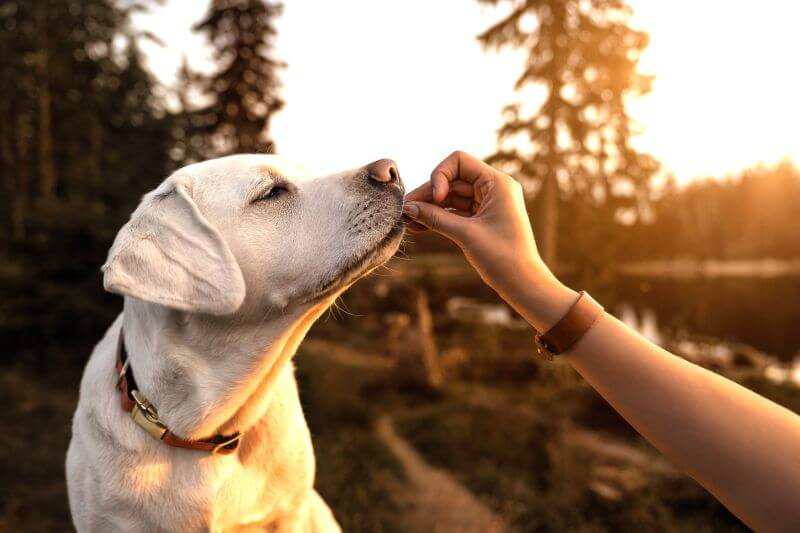
Modern dog training professionals strongly support positive reinforcement training because it encourages dogs to repeat desirable behaviors through rewards rather than punishment.
Use High-Value Treats
Treats are powerful motivators during training.
Choose small, flavorful treats your dog loves and reserve them for training sessions.
Praise and Affection
Dogs respond strongly to praise and affection.
Using a cheerful tone and gentle petting reinforces good behavior and builds trust.
Timing Matters
Rewards must occur immediately after the desired behavior.
If the reward comes too late, the dog may not connect the reward with the action.
Consistency
Consistency ensures your dog clearly understands expectations.
Every family member should use the same commands and training techniques.
Positive reinforcement creates a fun learning environment that strengthens the relationship between dog and owner.
The Importance of Dog Socialization
One of the most critical elements of raising a well-adjusted dog is proper socialization.
Socialization helps dogs become comfortable with:
-
Other dogs
-
New environments
-
Different people
-
Unfamiliar sounds and situations
Dogs that lack socialization may develop fear, anxiety, or reactivity.
At 3 Dog Whisperers, our structured dog day care in Rockwood serving Guelph and surrounding communities helps dogs practice healthy social interaction in a supervised environment.
Benefits of proper dog socialization include:
-
Improved confidence
-
Reduced anxiety
-
Better communication with other dogs
-
Greater adaptability to new environments
Socialization should begin early in puppyhood and continue throughout a dog’s life.
Advanced Dog Training Techniques
Once your dog has mastered basic obedience commands, you can move on to more advanced training exercises.
Advanced training keeps dogs mentally stimulated and strengthens communication.
Roll Over
Start with your dog lying down. Hold a treat near their nose and guide it toward their shoulder to encourage them to roll.
Reward them once they complete the roll.
Spin
Hold a treat near your dog’s nose and guide them in a circular motion. Say “spin” and reward when they complete the turn.
Fetch
The fetch command builds physical exercise and focus.
Throw a toy and encourage your dog to retrieve it, rewarding them when they return it.
Heel
Teaching your dog to walk calmly beside you on a leash is an essential skill for everyday life.
Reward your dog for staying close to your side during walks.
Advanced training provides both mental stimulation and physical exercise, which are essential for preventing behavioral problems.
Addressing Common Dog Behavioral Problems
Even well-trained dogs may occasionally develop behavioral challenges.
Understanding the cause of these behaviors is the key to correcting them.
Excessive Barking
Excessive barking often stems from boredom, anxiety, or lack of stimulation.
Solutions include:
-
Increasing exercise
-
Providing enrichment toys
-
Teaching the quiet command
Destructive Chewing
Dogs chew when they are bored, anxious, or teething.
Providing durable chew toys and increasing mental stimulation can redirect this behavior.
Jumping on People
To prevent jumping, ignore the dog when they jump and reward them only when all four paws remain on the ground.
Leash Pulling
Leash pulling occurs when dogs become overly excited during walks.
Stop walking when your dog pulls and resume only when they return to your side.
Separation Anxiety
Gradually increasing the time your dog spends alone can help reduce anxiety.
Dogs that participate in structured dog daycare programs often show less separation anxiety because they develop independence and confidence.
Exercise and Mental Stimulation
Exercise is essential for maintaining both physical and mental health in dogs.
Dogs that lack adequate exercise often develop behavioral problems such as:
-
Hyperactivity
-
Barking
-
Destructive chewing
Healthy exercise options include:
-
Daily walks
-
Fetch games
-
Training sessions
-
Interactive puzzle toys
-
Social play with other dogs
Dogs attending dog day care in Rockwood or Guelph receive structured play and stimulation throughout the day, helping them remain balanced and calm.
Patience and Consistency in Dog Training
Successful dog obedience training requires patience and consistency.
Dogs learn best through repetition and positive experiences.
Key reminders include:
-
Set realistic expectations
-
Practice training regularly
-
Stay calm during setbacks
-
Celebrate small successes
Training sessions should remain short and engaging to maintain your dog’s attention.
With consistent effort, even stubborn behaviors can improve.
Building a Strong Bond with Your Dog
Training is not just about obedience; it is about building a lifelong relationship with your dog.
Ways to strengthen your bond include:
-
Spending quality time together
-
Playing interactive games
-
Practicing training exercises
-
Providing affection and praise
Dogs that feel emotionally connected to their owners are more motivated to learn and cooperate.
Final Thoughts: Creating an Obedient and Happy Dog
Mastering effective dog training techniques is one of the best investments you can make in your dog’s wellbeing.
By focusing on:
-
Positive reinforcement training
-
Clear communication
-
Consistent routines
-
Proper dog socialization
-
Mental and physical exercise
you create a well-balanced, confident companion.
At 3 Dog Whisperers, our approach to dog day care in Rockwood and overnight dog care near Guelph incorporates these same principles every day. Through structure, supervision, and positive interaction, dogs learn to thrive in social environments while building confidence and trust.
Training is not just about teaching commands. It is about creating a deeper connection with your dog and helping them become the happiest version of themselves.
With patience, dedication, and love, every dog has the potential to become a well-behaved and obedient pup. ?