
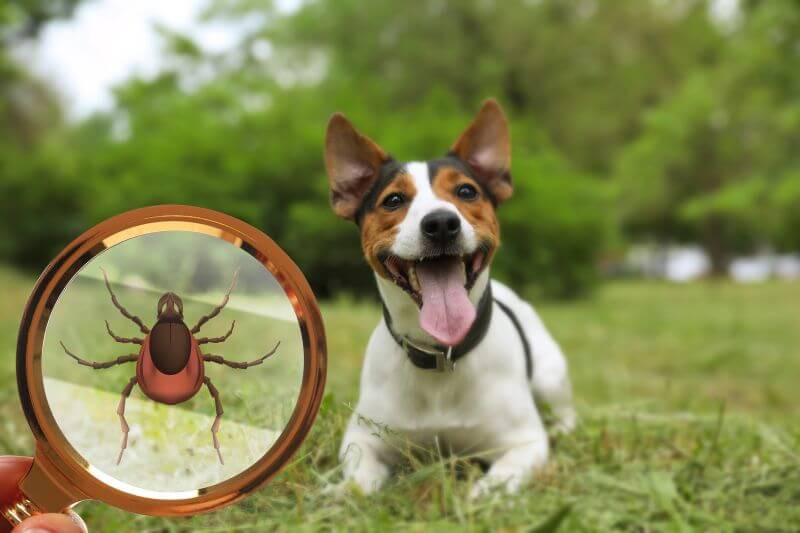
Tick Season Is Around the Corner: How to Protect Your Dog in Ontario
As the snow begins to melt and temperatures slowly rise across Ontario, many dog owners start looking forward to longer walks, hiking trails, and more outdoor adventures with their dogs. After a particularly cold Ontario winter, it’s easy to assume that pests like ticks might disappear completely. Unfortunately, that isn’t the case.
Even after a harsh winter, tick season in Ontario returns quickly once temperatures climb above 4°C (40°F). In fact, ticks can become active surprisingly early in the spring. For dog owners in Rockwood, Guelph, Cambridge, Elora, Fergus, and surrounding areas, preparing for tick season is one of the most important steps you can take to protect your dog’s health.
Ticks are not just annoying parasites — they can carry serious diseases that affect dogs and humans alike. The good news is that with the right preparation, awareness, and routine checks, you can greatly reduce the risk to your dog.
In this guide, we’ll walk through everything you need to know about preparing your dog for tick season, including vaccines, prevention options, natural alternatives, tick checks, and what to do if you find a tick on your dog.
Understanding Tick Season in Ontario
Ticks have become increasingly common across Ontario over the past decade. Warmer seasons, increased wildlife movement, and expanding tick habitats have allowed certain species to spread throughout the province.
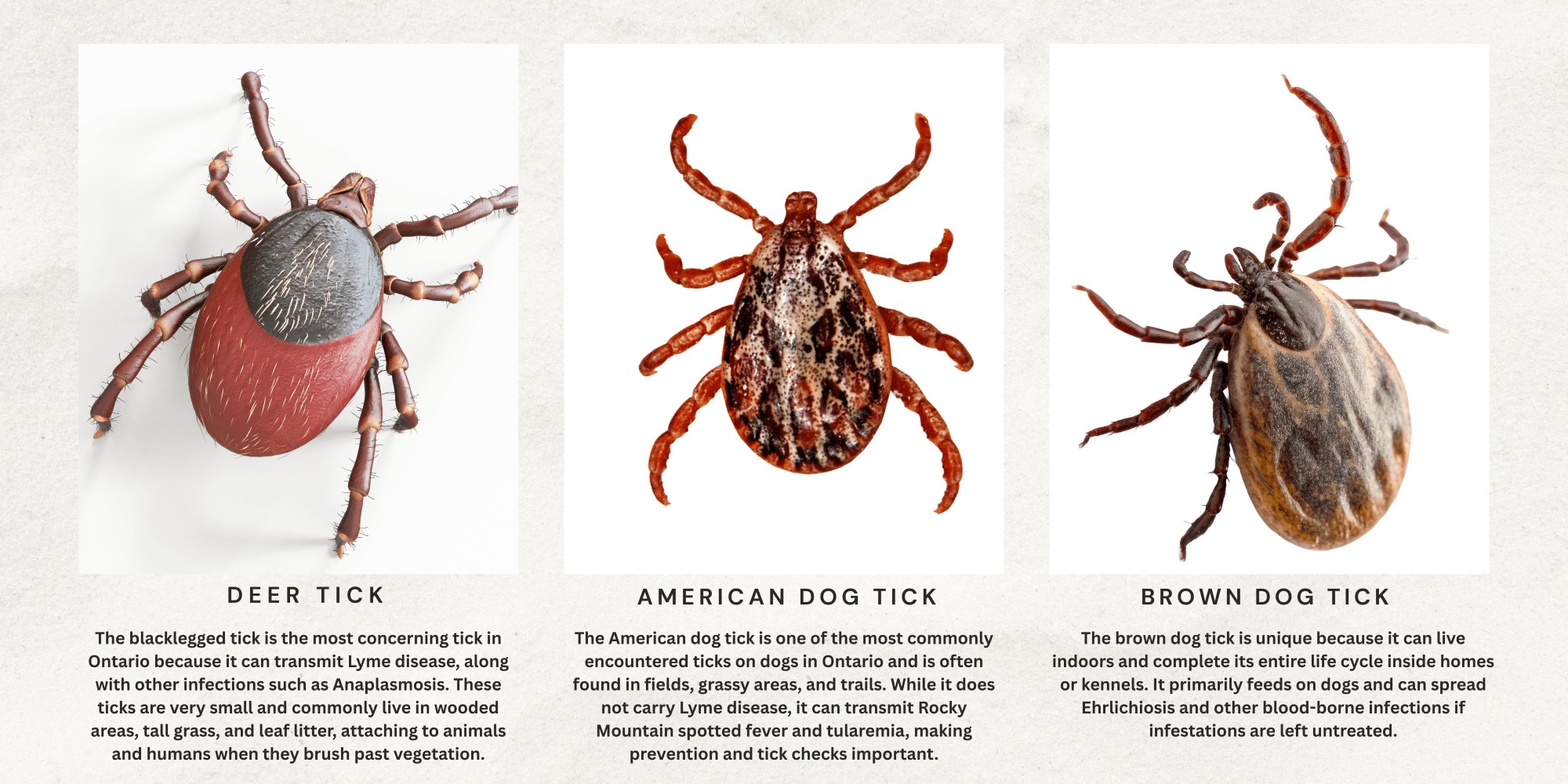
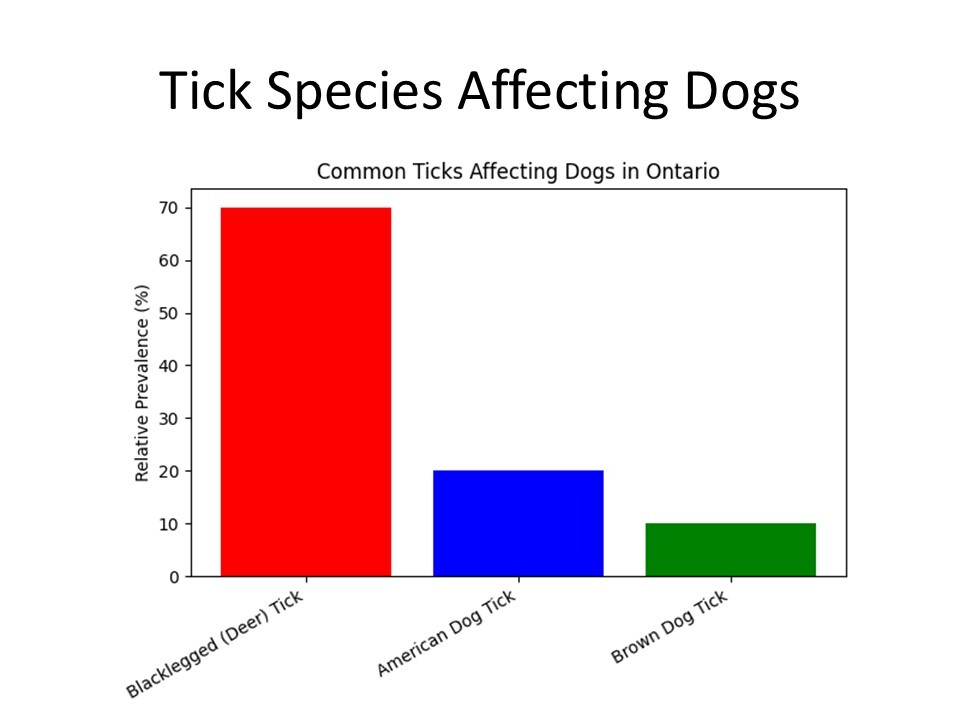
The most common ticks found in Ontario include:
• Blacklegged ticks (Deer ticks) – Known carriers of Lyme disease
• American dog ticks – Common in grassy and wooded areas
• Brown dog ticks – Can sometimes live indoors
The biggest concern for dog owners is the blacklegged tick, which can transmit Lyme disease, a bacterial infection that can affect both dogs and humans.
Ticks thrive in environments such as:
• Tall grass
• Wooded areas
• Leaf litter
• Trails and hiking paths
• Fields and rural properties
Even suburban parks and backyards can contain ticks, especially if wildlife such as deer, raccoons, or mice are present.
Does a Cold Ontario Winter Reduce Tick Populations?
Many people assume that a very cold winter will kill off ticks. While extreme cold can reduce some tick populations, ticks are surprisingly resilient.
During the winter months, ticks survive by hiding in:
• Leaf litter
• Soil
• Under snow cover
• Protected areas near vegetation
Snow actually acts like insulation, protecting ticks from the harshest temperatures.
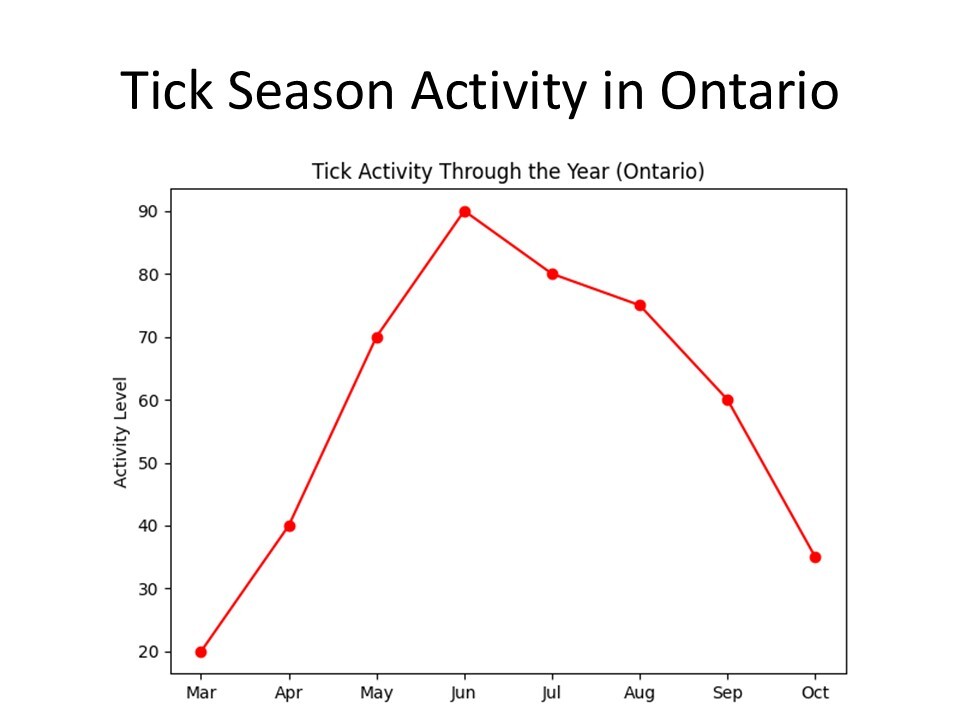
Once spring temperatures consistently reach around 4°C (40°F), ticks begin to emerge again. This means tick season in Ontario often begins earlier than many dog owners expect, sometimes as early as March or April.
Because of this, veterinarians recommend starting tick prevention before peak tick season begins.
Why Ticks Are Dangerous for Dogs
Ticks attach themselves to dogs in order to feed on blood. During this feeding process, they can transmit bacteria and parasites that cause disease.
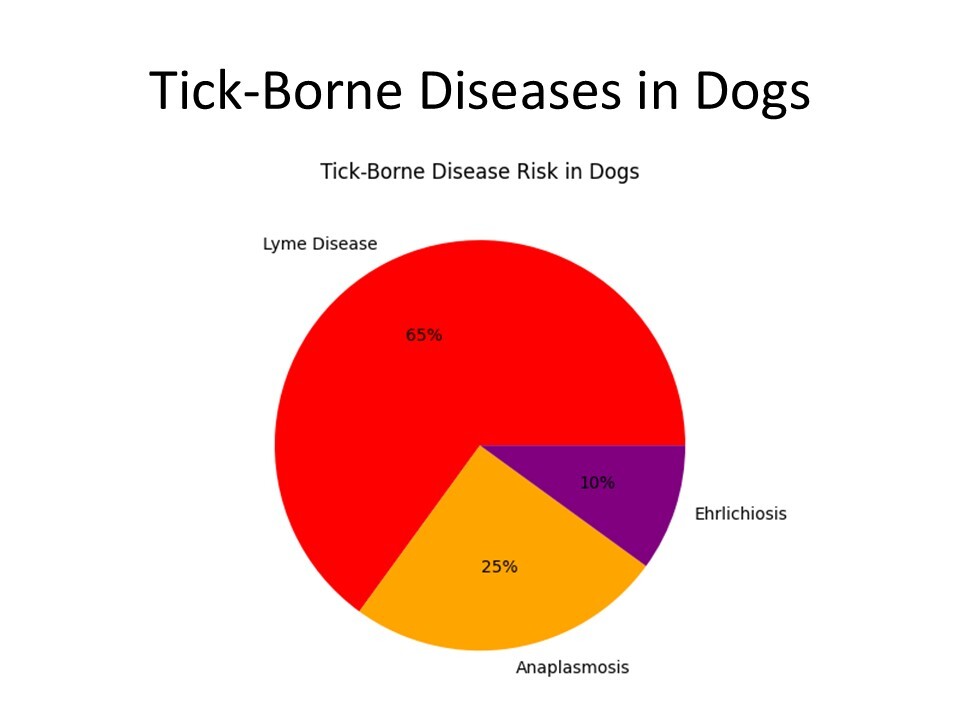
Some of the most common tick-borne diseases affecting dogs in Ontario include:
Lyme Disease
The most well-known tick-borne illness in Ontario. Symptoms may include:
• Fever
• Lethargy
• Joint pain
• Lameness
• Swollen joints
• Loss of appetite
If untreated, Lyme disease can lead to kidney damage or chronic joint problems.
Anaplasmosis
Another bacterial infection spread by ticks that can cause:
• Fever
• Weakness
• Joint stiffness
• Loss of appetite
Ehrlichiosis
Although less common in Ontario, this disease affects a dog’s immune system and blood cells.
Tick Prevention Options for Dogs
Preventing ticks is always easier than treating tick-borne diseases. There are several approaches to tick prevention for dogs, and each owner may choose a different method depending on their preferences.
Tick Prevention Medications
Many veterinarians recommend monthly tick preventatives that kill ticks quickly after they attach.
These may include:
• Oral chewable medications
• Topical treatments applied to the skin
• Tick prevention collars
These medications work by killing ticks before they have time to transmit disease.
Advantages include:
• Highly effective protection
• Long-lasting coverage
• Easy administration
However, some pet owners prefer natural alternatives instead of pharmaceuticals.
Lyme Disease Vaccination for Dogs
In areas where Lyme disease is common, veterinarians may recommend the Lyme vaccine for dogs.
The vaccine helps a dog’s immune system recognize and respond to the bacteria that cause Lyme disease.
Key points about the Lyme vaccine:
• It is typically given in two initial doses, followed by annual boosters
• It helps reduce the risk of infection if a tick bite occurs
• It is often recommended for dogs that spend a lot of time outdoors
However, some dog owners prefer not to vaccinate their dogs for Lyme disease.
Options for Owners Who Prefer Not to Vaccinate
If you prefer not to vaccinate your dog against Lyme disease, it becomes even more important to focus on daily tick prevention and regular tick checks.
Some dog owners choose natural tick prevention methods, which may include:
• Tick-repelling sprays made with essential oils
• Natural tick collars
• Herbal flea and tick powders
While natural methods can help reduce tick exposure, they may not always be as effective as veterinary medications.
For dogs that spend a lot of time outdoors in wooded or grassy areas, combining multiple prevention strategies is often the safest approach.
How to Check Your Dog for Ticks
One of the most important habits during tick season is performing daily tick checks.
Ticks are often very small, especially in the early stages, and can easily hide within your dog’s fur.
When checking your dog, run your hands slowly across their body and feel for small bumps.
Pay special attention to these areas:
• Behind the ears
• Around the eyes
• Under the collar
• Between the toes
• Under the legs
• Around the tail base
• Under the chin and neck
Ticks often feel like small bumps or skin tags.
If you find one, don’t panic — but remove it promptly.
What to Do If You Find a Tick on Your Dog
Removing a tick quickly reduces the risk of disease transmission.
Follow these steps:
1. Use Proper Tick Removal Tools
The best option is a tick removal tool or fine-tipped tweezers.
2. Grab the Tick Close to the Skin
Hold the tick as close to the dog’s skin as possible.
3. Pull Straight Out Slowly
Pull steadily without twisting.
4. Avoid Crushing the Tick
Crushing the tick can release bacteria.
5. Clean the Area
After removal, clean the bite area with antiseptic or mild soap.
6. Monitor Your Dog
Watch for symptoms such as:
• lethargy
• fever
• limping
• loss of appetite
If you notice these signs, contact your veterinarian.
Common Mistakes When Removing Ticks
Avoid these outdated methods:
• Burning the tick with a match
• Applying petroleum jelly
• Twisting the tick forcefully
These methods can cause the tick to release more bacteria into the dog.
Keeping Your Yard Tick-Safe
Another effective way to reduce tick exposure is maintaining a tick-safe yard.
Helpful steps include:
• Keeping grass short
• Removing leaf piles
• Clearing brush and tall vegetation
• Creating barriers between wooded areas and lawn
Ticks thrive in shaded, moist environments, so reducing these areas can lower tick populations.
Why Early Tick Awareness Matters
Because tick season in Ontario is starting earlier each year, awareness is key.
Many owners wait until summer to think about ticks, but by then tick populations may already be active.
Starting prevention in early spring helps protect your dog before ticks become widespread.
Final Thoughts: Preparing for Tick Season
Ticks are an unavoidable part of outdoor life in Ontario, but with the right preparation, you can protect your dog effectively.
Key steps include:
• Starting tick prevention early
• Performing regular tick checks
• Keeping vaccinations up to date (if chosen)
• Maintaining a tick-safe yard
• Knowing how to safely remove ticks
At 3 Dog Whisperers Dog Day Care and Overnight Boarding in Rockwood, serving Guelph and surrounding areas, we take tick awareness seriously and encourage all dog owners to prepare before tick season begins.
A little prevention now can help ensure that you and your dog enjoy a safe, healthy, and adventure-filled spring and summer together.